
2026-09-10 · Mike DeLuca
Inspecting Attic Insulation Before Winter in East Falls
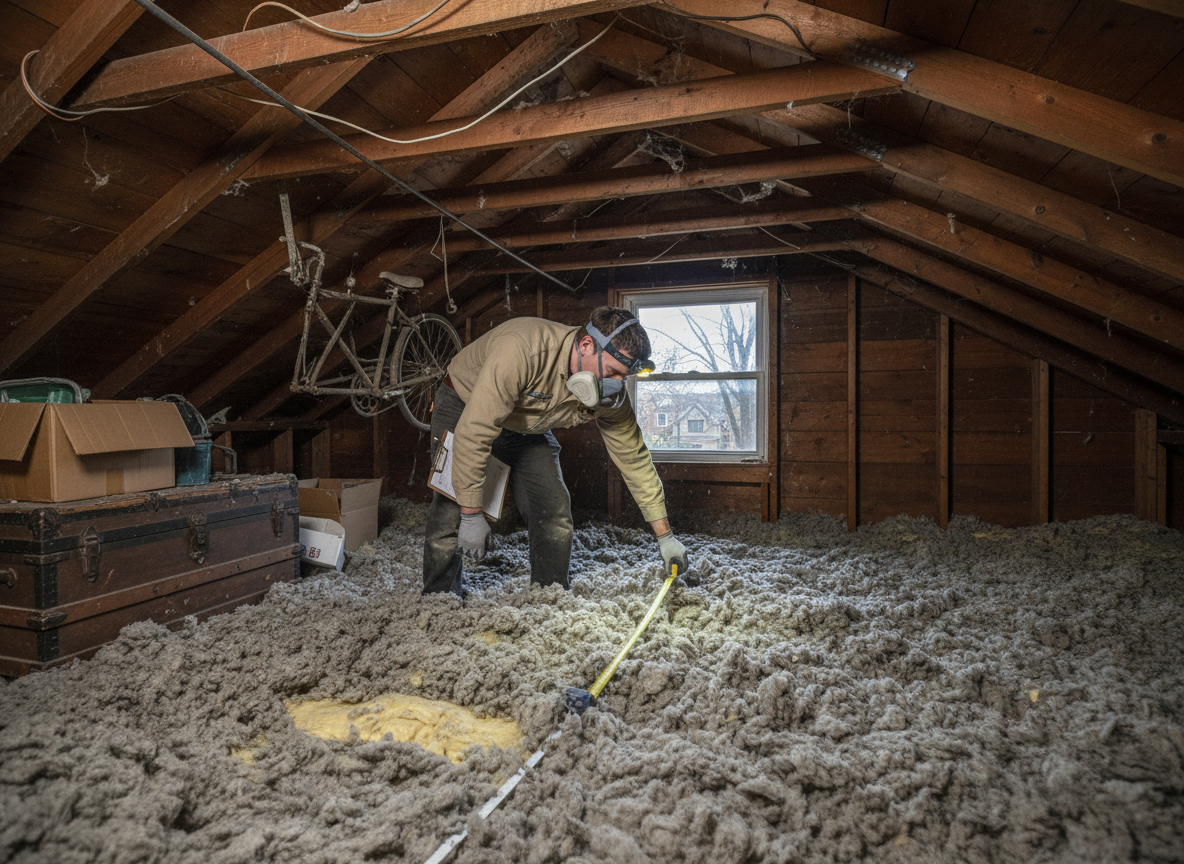
East Falls homes often lose significant heat through poorly insulated attics once winter temperatures drop in Philadelphia. Checking insulation before the season starts reveals gaps, settling, or moisture issues common in the neighborhood's older row houses and twins built in the early 1900s. A careful inspection takes one to two hours on a mild day and shows whether existing material still meets current needs or requires targeted upgrades. Homeowners who complete this check early avoid uneven heating and higher furnace runtime during January cold snaps.
Understanding Philadelphia's Winter Climate Impact on Attics
Philadelphia's humid subtropical climate brings cold, damp winters that test attic insulation more than many expect. Temperatures frequently fall below freezing while humidity lingers, allowing moisture to collect in poorly ventilated spaces above East Falls homes. Row houses along the Schuylkill often have narrow attics with limited airflow, so any missing or compressed insulation lets warm air escape quickly. This forces heating systems to run longer and raises energy use. Nearby neighborhoods like Manayunk and Roxborough share the same housing stock and weather patterns, making the same inspection routine useful there as well. Checking before the first hard freeze helps keep indoor temperatures steady without extra strain on equipment.
Identifying Insulation Problems in Older East Falls Properties
East Falls contains many early twentieth-century homes with original insulation that has settled or been disturbed over decades. Look for thin spots where fiberglass or cellulose has compressed below six inches, or areas where blown material has shifted away from eaves. Signs of trouble also include dark streaks on rafters indicating air leaks and soft spots in sheathing from past roof leaks common near the river. Ice dams along gutters appear more often when heat escapes through the attic, melting snow that refreezes at the edge. These conditions appear regularly in properties between Ridge Avenue and the river, where narrow lots limit exterior wall insulation options and place extra demand on attic performance.
Practical Steps for a Thorough Attic Check
Begin by turning off power to any attic lights or fans, then use a bright headlamp to scan the entire space during daylight hours. Measure insulation depth at multiple points with a ruler, noting any areas below the recommended R-value for Philadelphia winters. Check around chimneys, recessed lights, and plumbing stacks for gaps that allow air movement. Pull back a small section of insulation near the eaves to inspect for mold or wet sheathing. Photograph findings before replacing the material. Homeowners who find widespread settling or moisture should schedule HVAC Maintenance to confirm the heating system is not contributing to the problem through duct leaks.
Connecting Insulation to Your Heating System Performance
Attic insulation directly affects how hard a furnace or boiler works during Philadelphia's cold months. Gaps allow heated air to rise and escape, so equipment cycles more often and wears faster. In East Falls homes with steam or hot-water systems, poor attic insulation can also create cold spots on upper floors that prompt residents to raise thermostat settings unnecessarily. Pairing an insulation inspection with a check of ductwork or boiler components prevents the two issues from compounding each other. When problems appear together, Furnace Repair technicians familiar with local row-house systems can address both the mechanical and envelope concerns in one visit.
Professional Help and Next Steps
When inspection reveals extensive gaps or moisture, contact a local HVAC contractor familiar with East Falls and nearby Manayunk homes rather than attempting large-scale fixes alone. Professionals can assess whether insulation upgrades will integrate safely with existing ventilation and combustion air needs. They also evaluate how changes affect overall system balance before winter arrives. Residents in the 19129 zip code can reach Green Air Heating & Cooling at 1203 N 3rd St, Philadelphia, PA 19122 during business hours Monday through Saturday, 7am–8pm, for guidance based on direct experience with the neighborhood's housing stock and weather demands.