
2026-10-28 · Tony DeLuca
Reducing Energy Use During Peak Summer Demand
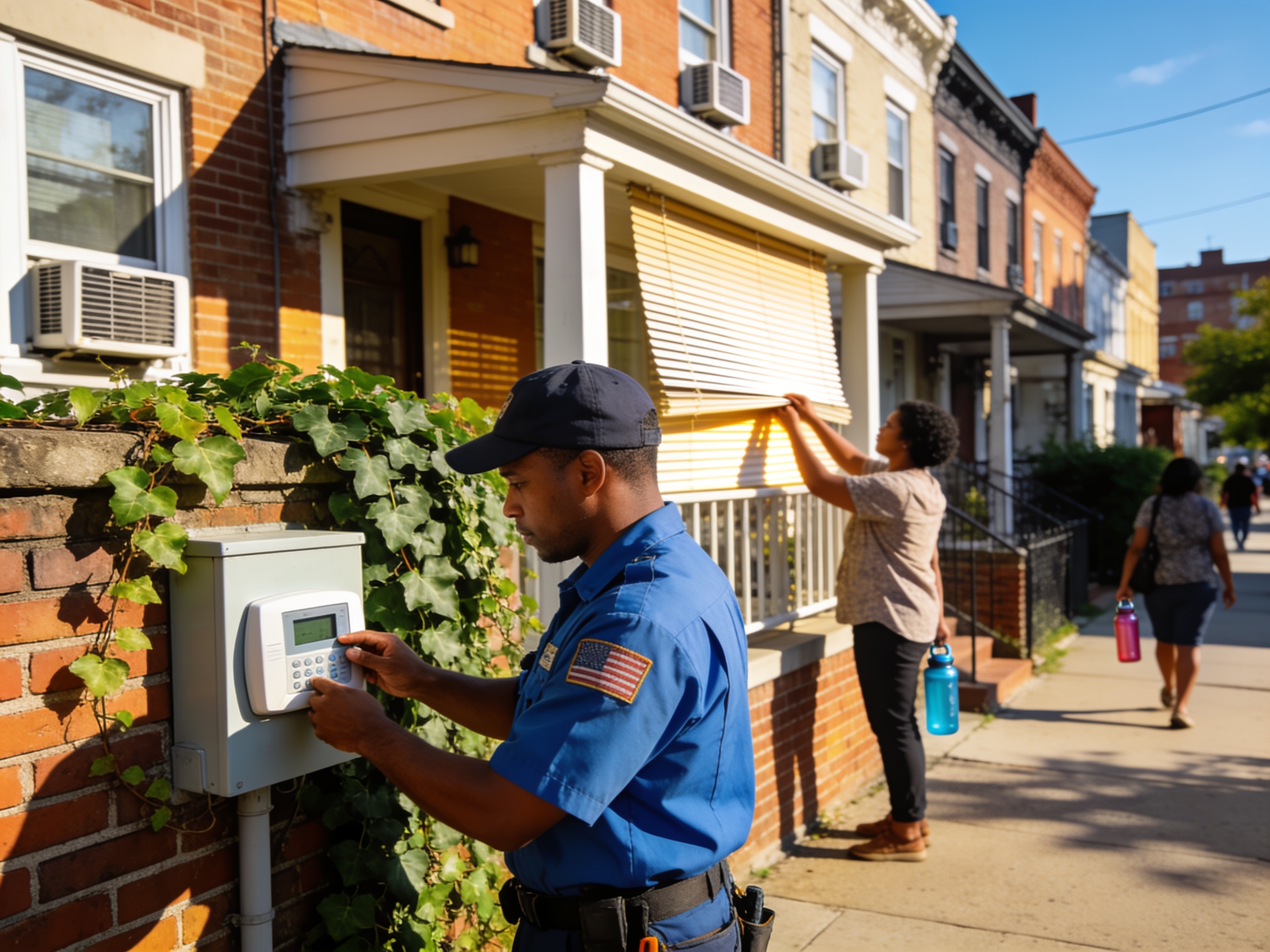
Philadelphia homeowners can reduce HVAC energy use during peak summer demand by 15-25% through proactive maintenance, strategic thermostat settings, and humidity management suited to the region's humid subtropical climate with hot summers. Older row homes in neighborhoods like South Philadelphia and Kensington often have tight envelopes that trap moisture, forcing systems to run longer cycles. Addressing these realities starts with understanding local weather patterns and housing stock before peak loads arrive.
Understanding Peak Summer Demand in Philadelphia
Philadelphia's summers bring sustained temperatures above 85°F paired with high humidity, pushing HVAC systems hard across Center City, University City, and Fishtown. Row homes built before 1950, common in West Philadelphia and Northern Liberties, lack modern insulation and often rely on older ductwork that leaks conditioned air. Peak demand typically hits between 2pm and 7pm on weekdays when grid strain is highest. Local operators see condensate issues spike after heavy rain because standing water in drains forces compressors to work overtime. These conditions make preemptive checks essential rather than reactive fixes once bills climb.
Scheduling Pre-Season Maintenance
A thorough HVAC Maintenance visit before June identifies low refrigerant, dirty coils, and worn belts that inflate energy draw. In Manayunk and Roxborough, where homes sit on sloped terrain, technicians also verify proper condensate drainage to prevent short cycling during humid stretches. Homeowners should replace filters every 30-45 days in summer and confirm the thermostat is calibrated for the actual indoor load. These steps keep the system running at designed efficiency instead of compensating for neglected components.
Managing Humidity in Row Homes
High moisture levels in South Philadelphia row homes force air conditioners to dehumidify before cooling, extending runtime during peak hours. Managing Humidity in South Philadelphia Row Homes explains how sealed crawl spaces and proper ventilation reduce latent loads. Setting the thermostat to 78°F with a whole-house dehumidifier or variable-speed unit cuts compressor cycles compared with constant 72°F operation. Clearing condensate drains after heavy summer rain prevents water backup that triggers safety switches and restarts.
Smart Thermostat Strategies
Installing a programmable or smart thermostat allows pre-cooling before peak hours and automatic setbacks when residents are away. In Germantown and Mount Airy homes with mixed sun exposure, zoning or Thermostat Installation prevents overcooling unused floors. Avoid large temperature swings that cause the system to run at maximum capacity later. Pairing the device with ceiling fans moves air at lower energy cost than dropping the thermostat another two degrees.
Practical Daily Habits During Peak Periods
Close blinds on south- and west-facing windows by 11am to block solar gain in University City and Northern Liberties row homes. Run major appliances like dishwashers and dryers after 8pm when outdoor temperatures drop. Check that exterior condenser units remain clear of debris and vegetation, especially in denser blocks of Kensington where airflow can be restricted. These small actions compound with system efficiency to lower overall kilowatt-hour consumption during the most expensive rate periods.